
A Comprehensive Manual on Core Technologies and Practical Standards for Welded Steel Pipes

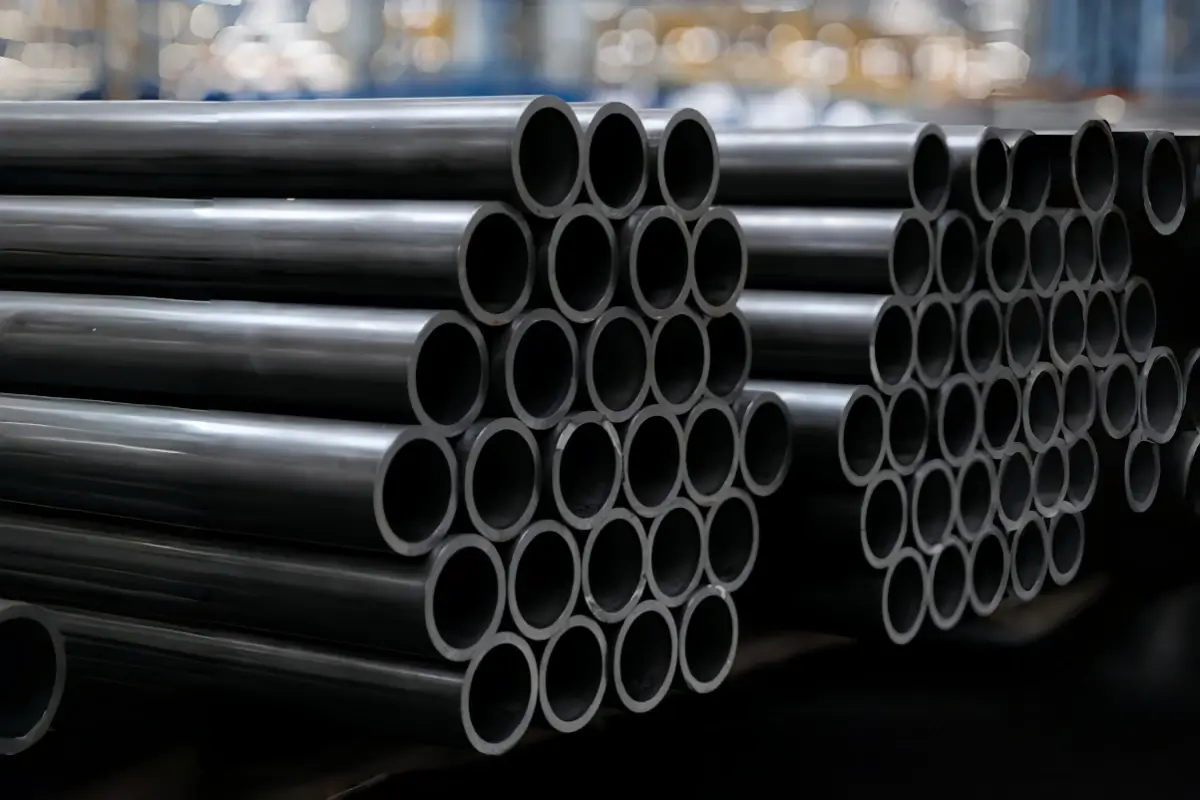
In the world of industrial infrastructure, the integrity of a project is only as strong as its joints. Whether you are constructing a high-pressure oil pipeline, a structural framework for a skyscraper, or a complex automotive exhaust system, choosing the right steel pipe for welding is a critical decision.
However, “steel pipe” is not a singular product. It is a vast category of materials, each with unique chemical compositions and physical properties that dictate how—and if—it can be successfully welded. This guide provides an in-depth look at the technical specifications, welding processes, and selection criteria necessary for professional-grade results.
1. Understanding Material Grades for Weldability
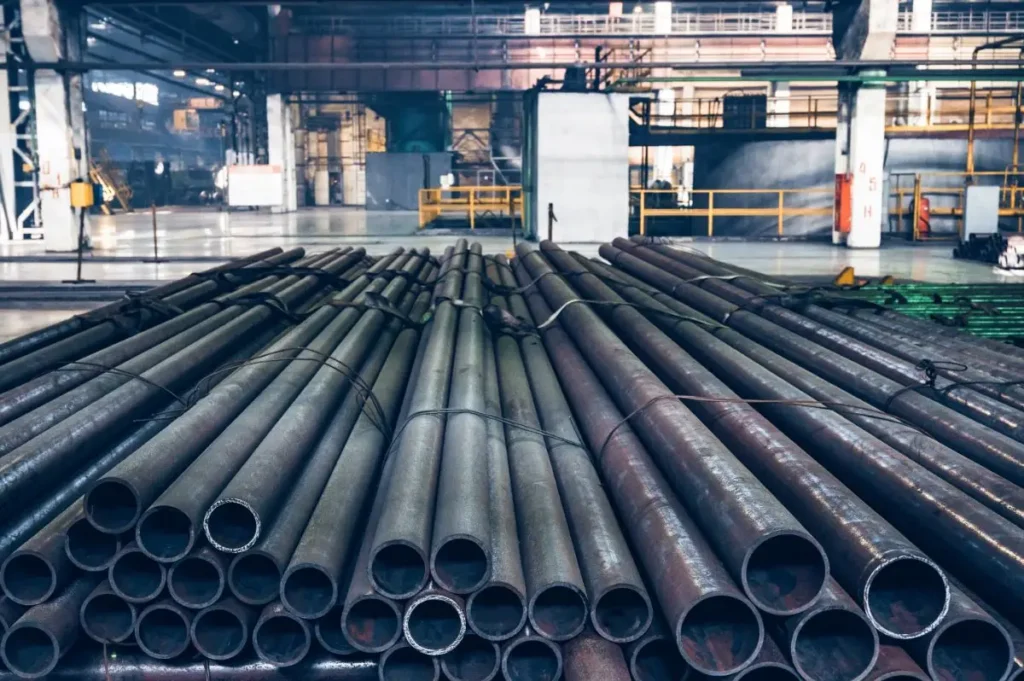
Not all steel is created equal. The weldability of a steel pipe is primarily determined by its carbon equivalent (CE). A lower carbon content generally results in better weldability, as high carbon levels can lead to brittleness and cracking in the Heat-Affected Zone (HAZ).
Carbon Steel Pipes (ASTM A53, A106, and API 5L)
Carbon steel is the most common material used for welding.
- ASTM A53: Often used for low-pressure conveyance of gas, water, and steam. It is highly weldable and available in Type F (furnace-butt welded), Type E (electric-resistance welded), and Type S (seamless).
- ASTM A106: Designed for high-temperature service. Because it is seamless, it offers superior pressure ratings for critical welding applications.
- API 5L: The industry standard for the oil and gas sector. These pipes come in various grades (X42, X52, X65), requiring specific welding procedures to maintain pipeline integrity.
Stainless Steel Pipes (ASTM A312)
Stainless steel is prized for corrosion resistance. However, welding it requires precision to avoid “carbide precipitation,” which can ruin its anti-corrosive properties. Common grades include 304/304L and 316/316L, where the “L” signifies low carbon for enhanced weldability.
2. Key Manufacturing Methods: Seamless vs. Welded Pipe
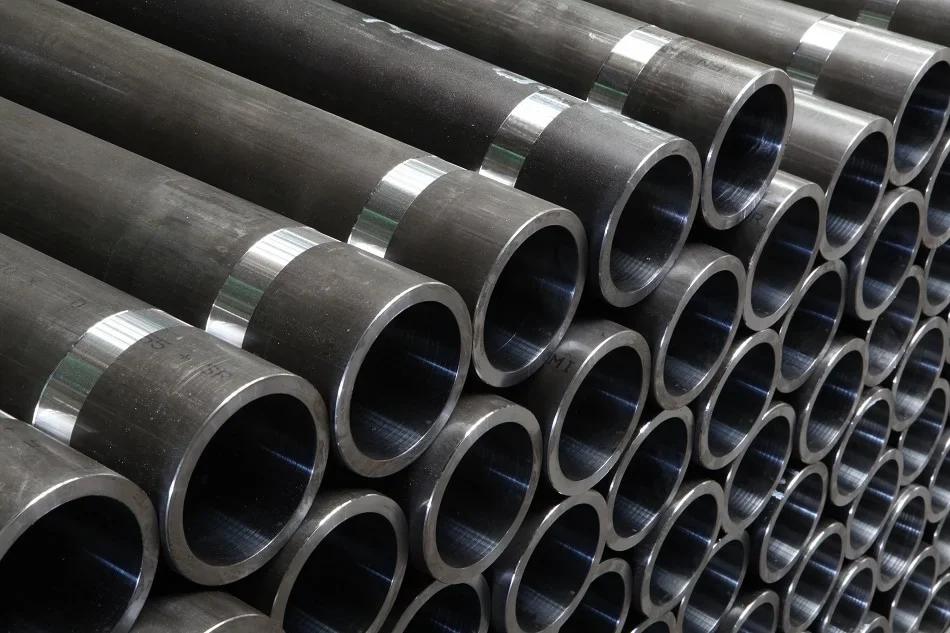
When sourcing steel pipe for welding, you must choose between two primary manufacturing methods. This choice impacts both the cost and the performance of the final weldment.
Seamless Steel Pipe
Produced through extrusion or rotary piercing, seamless pipes have no longitudinal seam. For high-pressure welding applications, seamless pipe is preferred because the absence of a factory weld seam eliminates potential weak points during the field welding process.
Welded Steel Pipe (ERW, LSAW, SSAW)
Welded pipes are made from steel plates or coils that are rolled and welded.
- Electric Resistance Welding (ERW): Common in automotive and structural applications.
- Longitudinal Submerged Arc Welding (LSAW): Used for large-diameter pipes where wall thickness is substantial.When welding these in the field, the welder must be mindful of the existing factory seam to ensure structural uniformity.
3. Essential Welding Processes for Steel Pipes
The method used to join steel pipes depends on the pipe’s wall thickness, material, and the required strength of the joint.
TIG Welding (GTAW)
Tungsten Inert Gas (TIG) welding is the “gold standard” for precision. It is widely used for the root pass of high-pressure pipes. While slower than other methods, it provides a clean, slag-free weld with excellent penetration.
MIG Welding (GMAW)
Metal Inert Gas (MIG) welding is preferred for high-volume production, such as in automotive parts manufacturing. It is faster than TIG and easier to automate, making it ideal for thick-walled carbon steel pipes.
Stick Welding (SMAW)
Shielded Metal Arc Welding (Stick) remains the most versatile method for outdoor construction and pipeline welding. It is less sensitive to wind and dirt than TIG or MIG, though it requires significant operator skill to prevent inclusions.
4. Preparing the Steel Pipe for Welding: A Step-by-Step Approach
According to industry experts, 80% of weld failure is caused by poor preparation. To ensure a high-quality joint, follow these steps:
Step 1: Cleaning and Degreasing
Steel pipes often come with a protective coating or “mill scale.” This must be removed using a wire brush or grinder. Any oil, moisture, or rust left on the surface will lead to porosity (bubbles) in the weld.
Step 2: Beveling and Edge Preparation
For pipes with a wall thickness exceeding 3mm, beveling is necessary. A V-bevel (usually at a $30^\circ$ to $37.5^\circ$ angle) creates a groove that allows the weld metal to penetrate the full thickness of the pipe wall.
Step 3: Fit-up and Tack Welding
Alignment is crucial. Use pipe clamps to ensure the two sections are perfectly concentric. Place small “tack welds” at intervals to hold the pipes in place before performing the full circumferential weld.
5. Overcoming Common Challenges in Pipe Welding
Managing the Heat-Affected Zone (HAZ)
The HAZ is the area of the pipe that did not melt but had its microstructure altered by the heat. Excessive heat can weaken the steel. Using interpass temperature control helps maintain the pipe’s metallurgical integrity.
Preventing Burn-Through
In thinner pipes, excessive current can cause the weld pool to fall through the pipe. Selecting the correct electrode size and travel speed is essential to balance penetration and heat input.
Hydrogen Cracking
In high-strength steel pipes, hydrogen can become trapped in the weld, leading to delayed cracking. Using low-hydrogen electrodes (like E7018) and pre-heating the pipe can mitigate this risk.
6. Applications of Welded Steel Pipes
The versatility of welded steel pipes makes them indispensable across various sectors:
- Automotive Industry: Used in roll cages, exhaust systems, and structural chassis components where precision CNC-cut pipes are joined.
- Energy and Oil: Thousands of miles of API 5L pipes are welded annually to transport resources globally.
- Construction: Structural hollow sections (SHS) are welded to create the skeletons of modern stadiums and airports.
7. Quality Standards and Certifications (EEAT Focus)
To ensure the safety of a welded structure, adherence to international standards is non-negotiable.
- ASME Section IX: The standard for qualifying welding procedures and welders.
- AWS D1.1: The structural welding code for steel.
- ISO 3834: Quality requirements for fusion welding of metallic materials.
By sourcing pipes that meet these certifications, you ensure that the raw material is consistent, traceable, and ready for high-stakes welding operations.
Conclusion: Selecting the Right Partner
Success in any project involving steel pipe for welding depends on the synergy between high-quality raw materials and expert craftsmanship. From understanding the carbon content of the steel to choosing the correct bevel angle, every detail matters.
If you are looking for precision-engineered components or raw steel pipes for your next industrial project, always prioritize suppliers who provide full material test reports (MTRs) and adhere to international ASTM or API standards.