







Industry-Leading SteelStructure Supplier
As a leading enterprise in the industry, we are committed to producing high-quality steel structure products to meet various construction needs and help customers realize their ideal projects.
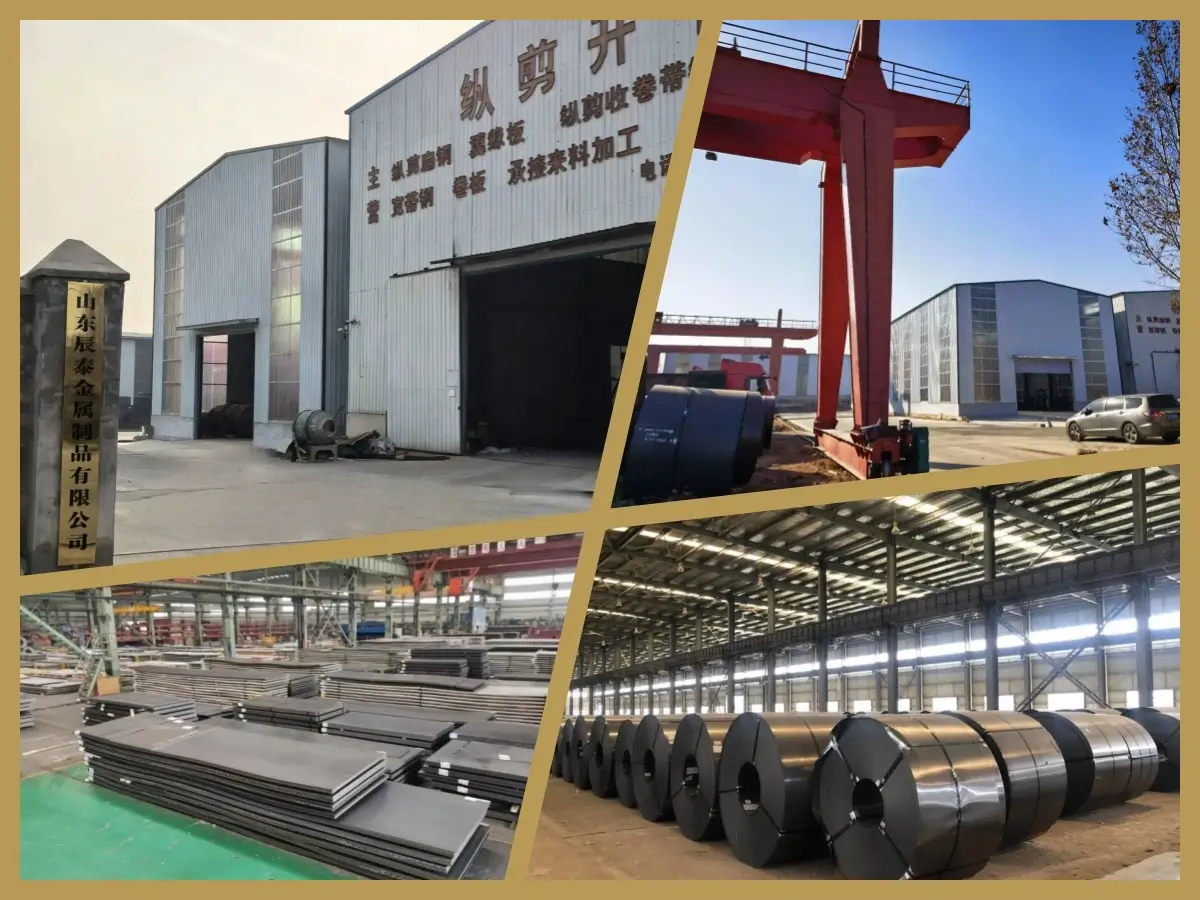
Shandong Chentai Metal Products Co., Ltd
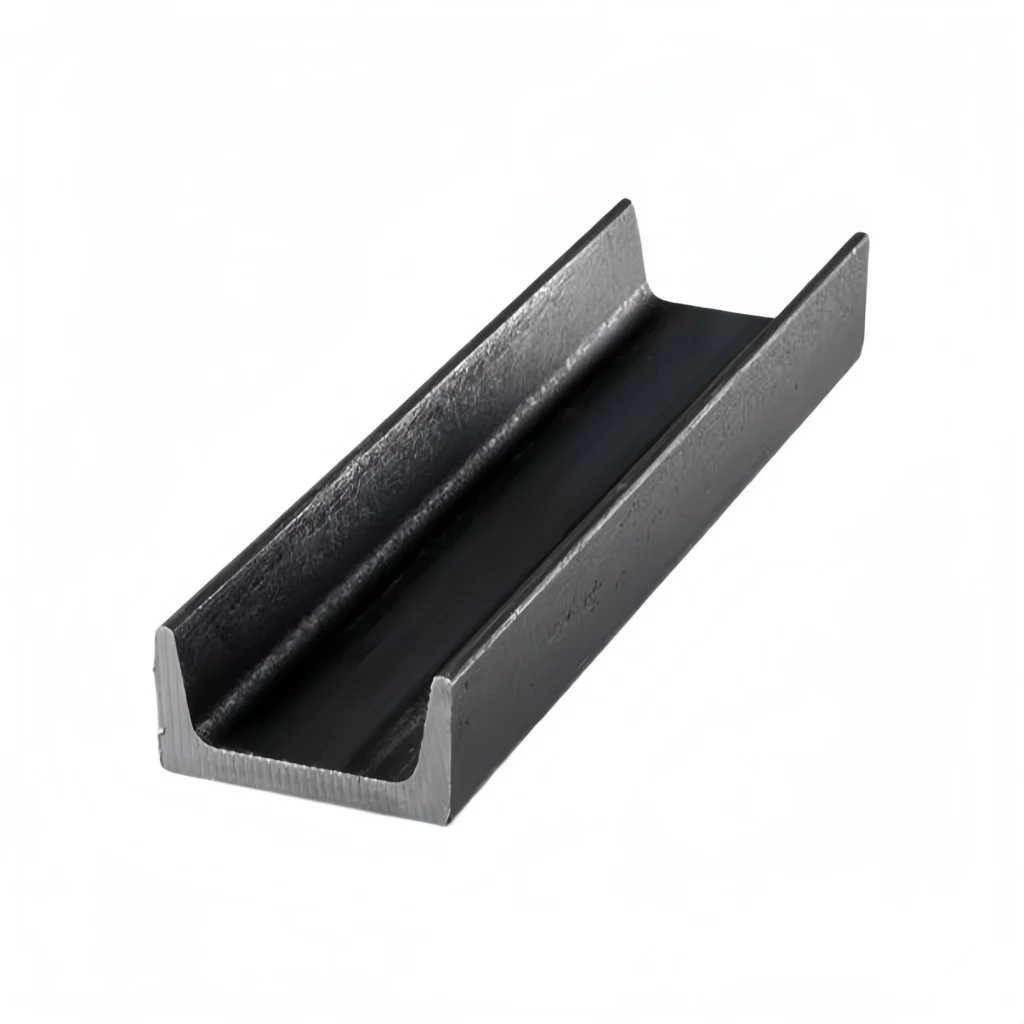
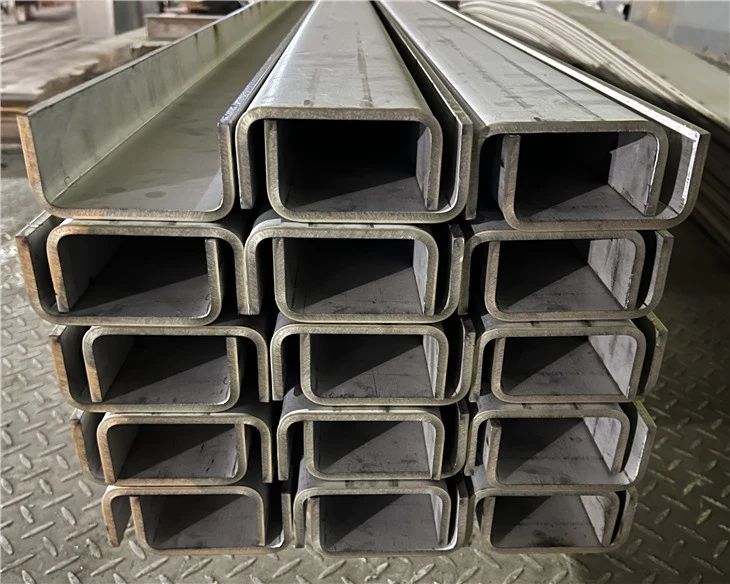
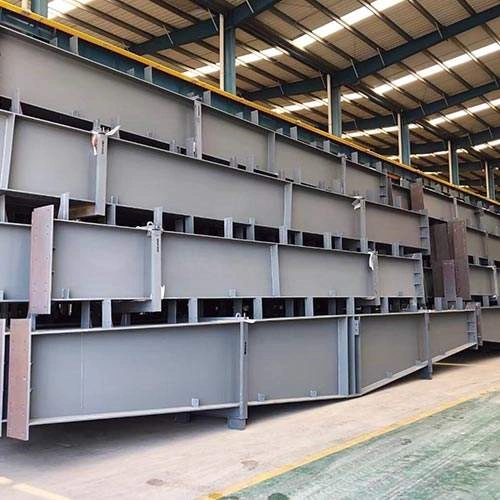
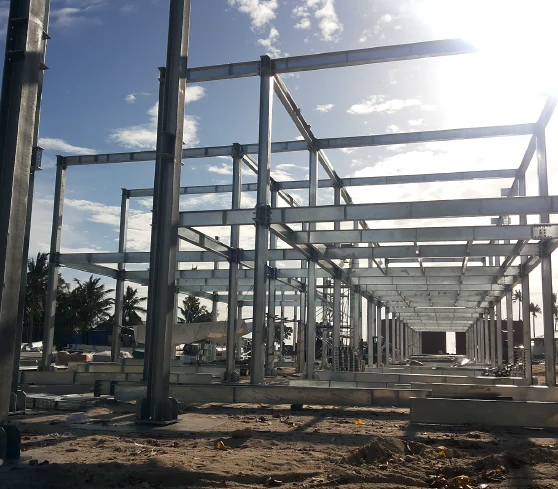
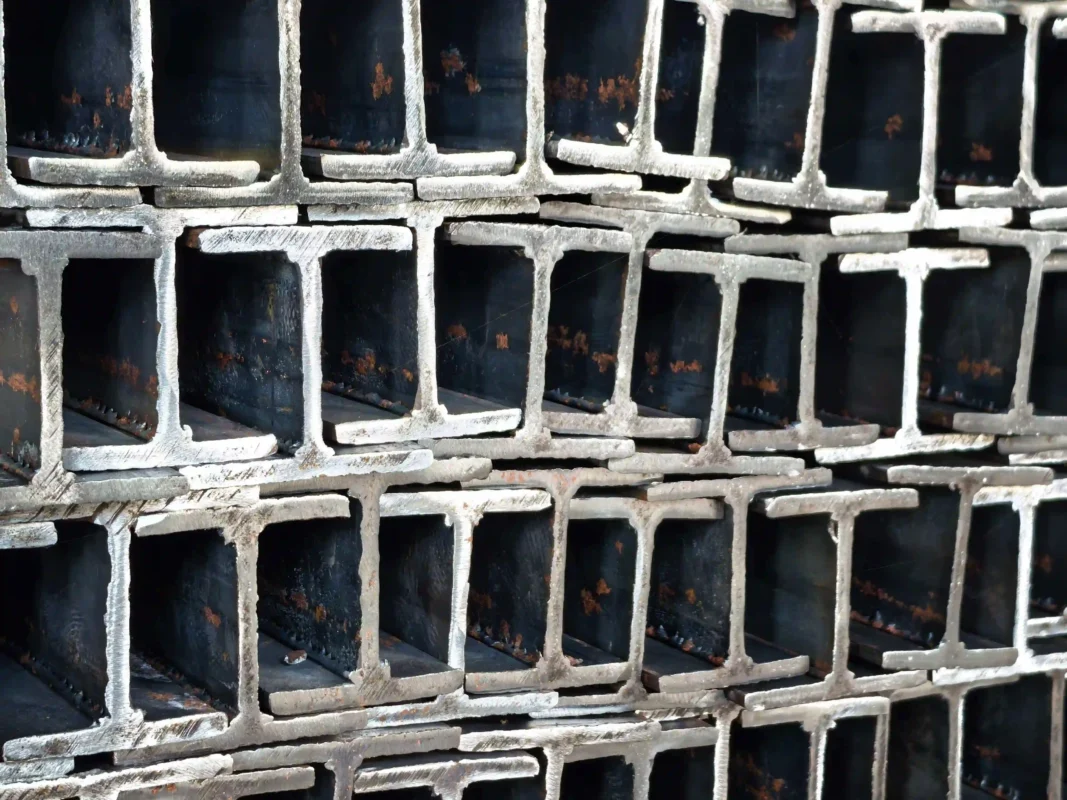
As an Industry-Leading Steel Structure Supplier, we specialize in providing high-performance structural solutions for the world’s most demanding construction projects. From precision-engineered H-beams and channel steel to complex industrial frameworks, our products are manufactured to meet the highest global standards for durability and safety.
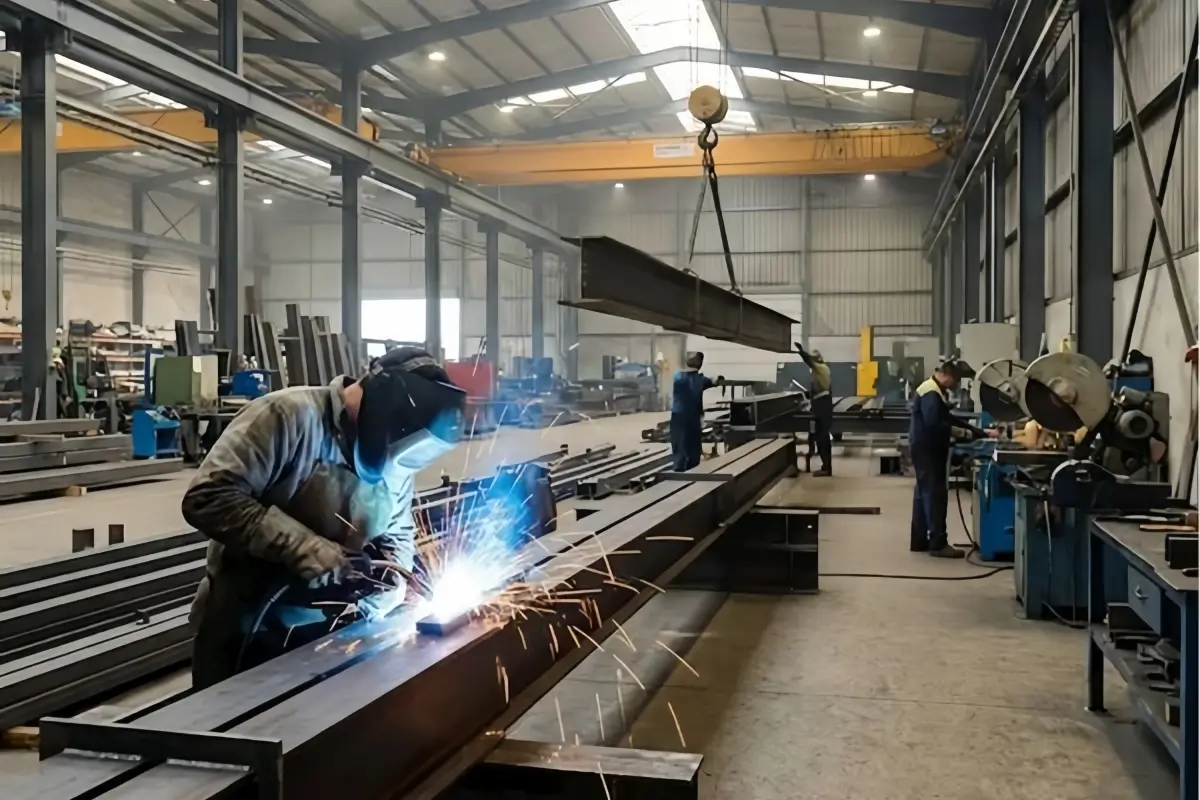
With a foundation built on technical innovation and rigorous quality control, we deliver more than just raw materials; we provide the backbone of modern infrastructure. Our state-of-the-art production facilities ensure that every component offers superior load-bearing capacity and long-term reliability. Driven by a commitment to excellence and efficient global supply chain management, we empower our partners to build a more resilient and sustainable future. Choose us for the strength, precision, and expertise your vision deserves.

Advanced Machining Technologies
Cutting-edge technologies like CNC milling and 5-axis machining deliver high precision.
Precision and Quality
Advanced machinery ensures tight tolerances, intricate details, and superior surface finishes for parts.
Affordable Raw Materials
Cost-effective raw materials contribute to the affordability of CNC machined parts in China.
Affordable Price
Competitive pricing in China’s CNC machining services reduces manufacturing costs without compromising quality.
Rapid Prototyping Capabilities
Quick prototype production supports efficient design testing and refinement.
Efficient Supply Chain
Well-established supply chains and processes ensure swift, cost-effective product delivery.
Network of Manufacturers
Wide manufacturer network ensures diverse options and competitive pricing for CNC machining services in China.
Seamless Transition
Robust capacity enables smooth scaling from prototyping to large-scale production.
Products
With our extensive track record of over 275 major and mid-sized projects in China, Singapore and across the globe, we are well-placed to lead the resurgence of the pre-fabrication movement and address the growing demand for fast, efficient and sustainable construction methodology.
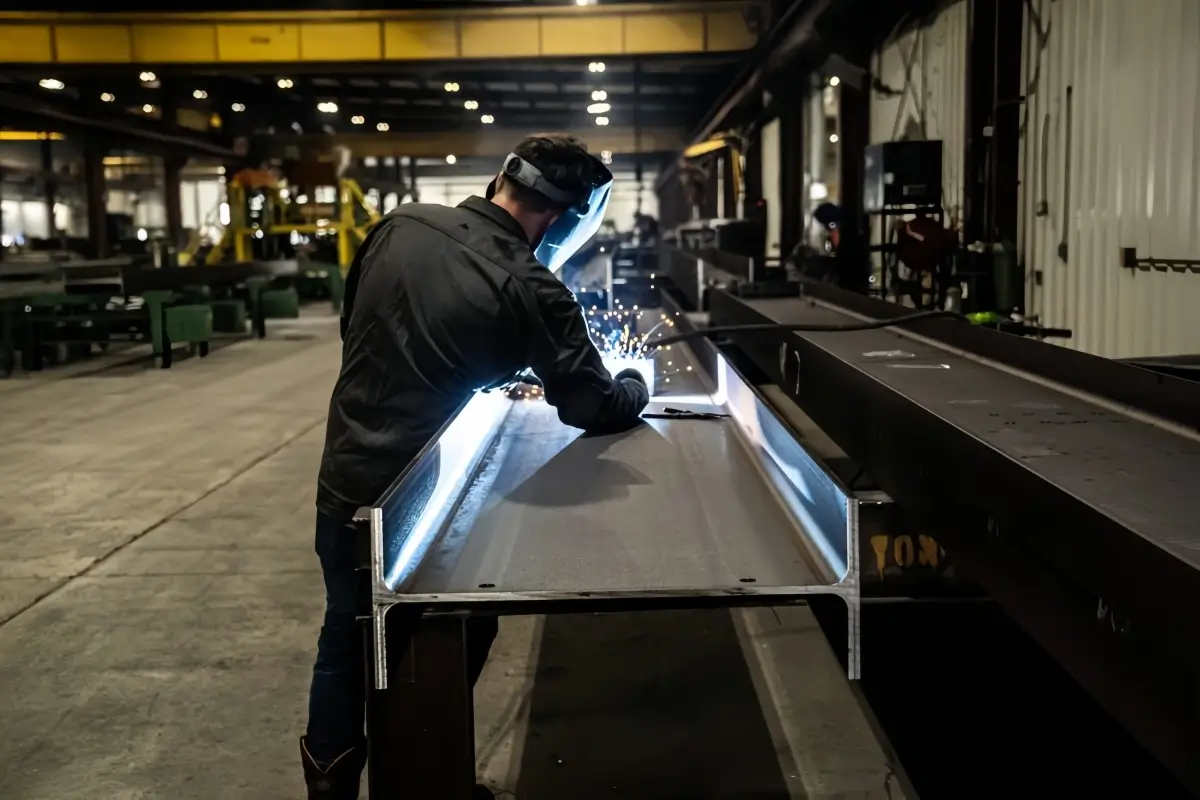
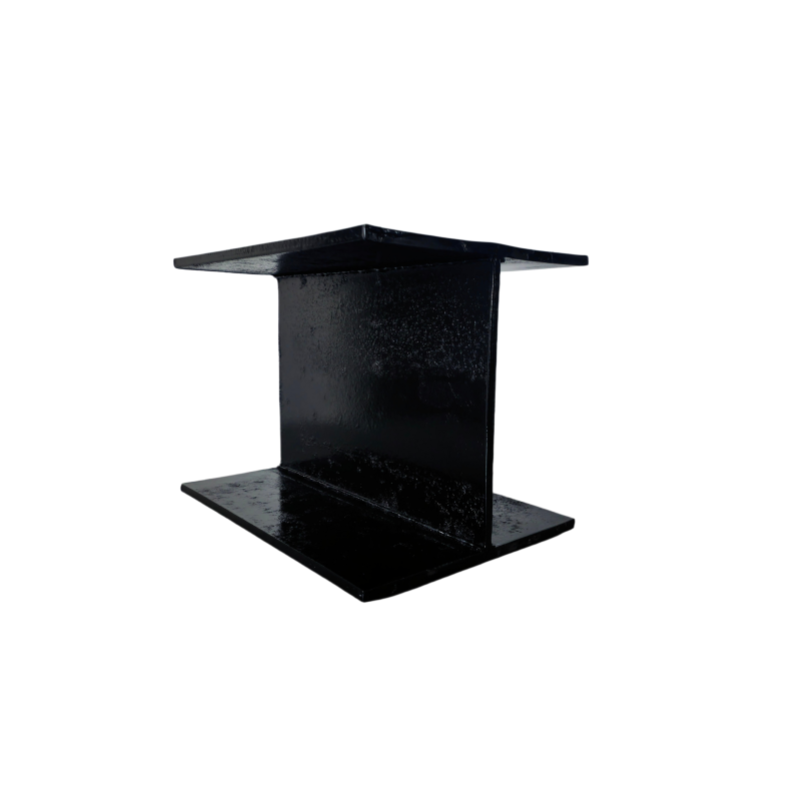
High-frequency welded H-beams
A: The "strength" of a rod depends on the specific application and the type of stress it will encounter. Generally, H-beam rods are superior at resisting compressive loads and are often preferred in high-horsepower, high-torque applications. I-beam rods, on the other hand, are typically lighter and offer excellent tensile strength, making them a popular choice for high-RPM engines where weight reduction is a priority.
A: In many heavy-duty scenarios, yes. The design of an H-beam provides a larger surface area to distribute the force of combustion, which helps prevent the rod from bending under extreme pressure. However, modern high-end I-beam rods (often called "A-beam" or "Pro-I") can be engineered to be just as strong as H-beams while maintaining a lower weight profile. The best choice depends on your specific engine build and performance goals.
A: Neither is universally "better"; it's about the right fit for your needs:
Choose I-beam if you are looking for a lightweight design to improve throttle response and reduce reciprocating mass in high-revving engines.
Choose H-beam if your priority is maximum durability against the high cylinder pressures found in turbocharged, supercharged, or nitrous-fed builds.
A: To ensure a perfect fit, measuring an H-beam (specifically for automotive connecting rods) involves four key metrics:
Center-to-Center Length: Measure the distance from the center of the big-end bore to the center of the small-end bore.
Big-End Bore & Width: Measure the diameter where it connects to the crankshaft and the thickness of the rod at that point.
Small-End Bore & Width: Measure the diameter where the piston pin sits and the corresponding width.
Beam Thickness: Use a micrometer to measure the central "web" and the outer flanges to ensure they meet your structural specifications.