
Comprehensive Guide to Channel Steel: Types, Specifications, and Structural Applications

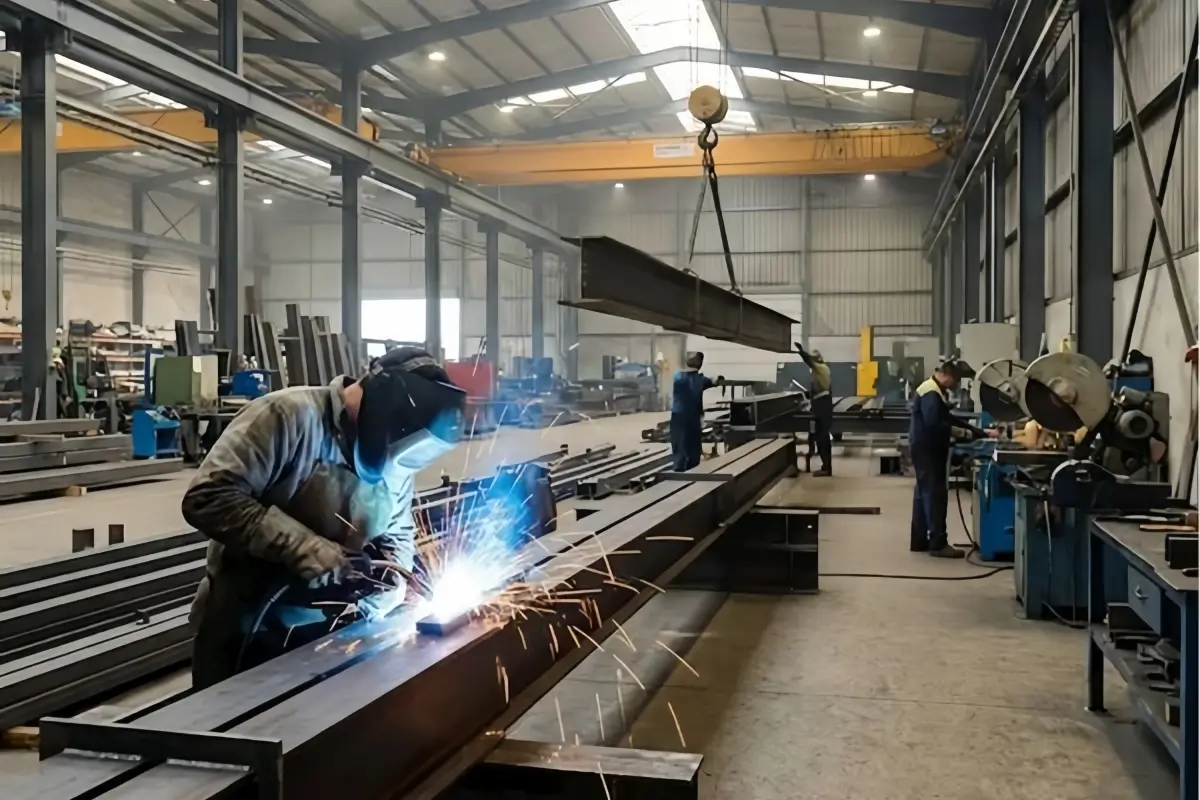
In the diverse world of structural steel, channel steel (also known as a “C-channel” or “Parallel Flange Channel”) is one of the most versatile and widely utilized components. While it may not always be the “backbone” of a skyscraper like the H-beam, it is the essential “muscle” and “frame” that holds industrial equipment, buildings, and transportation systems together.
For engineers, architects, and procurement specialists, understanding the nuances of channel steel—from its manufacturing process to its load-bearing characteristics—is vital for ensuring structural integrity and cost-efficiency.
1. What is Channel Steel? Defining the “C” and “U” Shapes
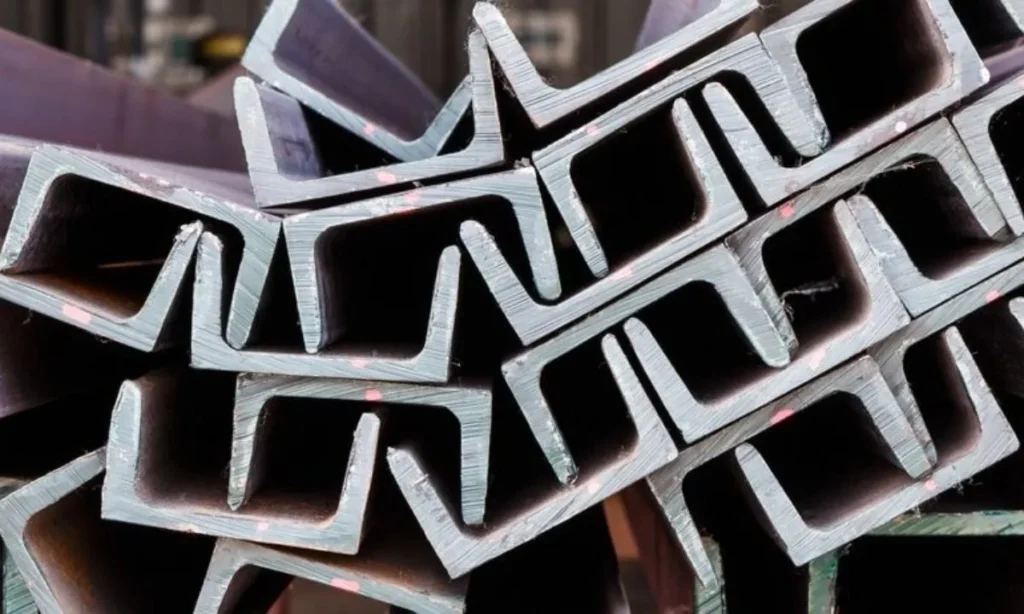
Channel steel is a hot-rolled structural steel product characterized by a wide, flat web and two flanges that extend at a right angle (usually 90 degrees) from one side of the web. This creates a distinctive “C” or “U” cross-section.
The unique geometry of channel steel makes it exceptionally strong in one direction (along the web) while remaining relatively lightweight. This makes it an ideal choice for projects where a high strength-to-weight ratio is required, but a full four-sided beam (like a hollow section) would be too heavy or expensive.
2. Common Types and Standards of Channel Steel
Not all channels are the same. They are classified based on their cross-sectional shape and the international standards they follow.
PFC (Parallel Flange Channels)
In a PFC, the inner and outer surfaces of the flanges are parallel. This modern design makes it much easier to bolt or weld other components to the flange without the need for tapered washers. These are common in UK and European standards (EN 10025).
Tapered Flange Channels (Standard Channels)
These are the traditional “C” shapes where the inside of the flange has a slight slope (taper). While slightly more difficult to join than PFCs, they are still widely used in many ASTM (American) and GB (Chinese) standard applications.
Material Grades
To meet EEAT reliability standards, it is crucial to source channel steel that complies with recognized grades:
- ASTM A36: The standard for most construction; excellent for welding and machining.
- S235JR / S355JR: European grades frequently used in infrastructure.
- Stainless Steel (304/316): Used in corrosive environments like food processing or marine applications.
3. Why Use Channel Steel? Key Structural Benefits
Flexibility in Orientation
Unlike I-beams, which are symmetrical, the asymmetrical shape of channel steel allows it to be used as a “cap” or a “brace.” It can be placed back-to-back to create a box section or used singly as a track for rolling machinery.
Superior Edge Support
Because one side of the channel is flat, it is perfect for framing. It can be mounted flush against a wall or floor, providing a stable, flat surface for mounting panels, glass, or secondary supports.
Cost-Efficiency
Channel steel provides significant structural support while using less raw material than solid beams. This reduces the overall weight of the structure, leading to lower shipping costs and easier installation.
4. Primary Applications Across Industries
The versatility of channel steel allows it to bridge the gap between heavy construction and delicate manufacturing.
Structural Building Frames
In residential and commercial construction, channels are used as lintels above doors and windows, as floor joists, and as rafters in roofing systems. They provide the necessary rigidity to support masonry and drywall.
Industrial Machinery and Equipment
Channel steel is the go-to material for building the frames of heavy machinery, conveyors, and assembly lines. Its “C” shape allows for the easy routing of electrical wires and hydraulic hoses along the inside of the web, protecting them from external damage.
Transportation and Vehicle Frames
From heavy-duty truck trailers to the chassis of agricultural equipment, channel steel provides the “flex” and strength needed to withstand the vibrations and stresses of moving loads.
Solar Panel Racking
With the rise of renewable energy, channel steel (often galvanized to prevent rust) is the primary material used for the support structures of large-scale solar farms.
5. Technical Considerations: Loading and Orientation
When designing with channel steel, engineers must pay close attention to torsion (twisting). Because the flanges are only on one side, a load placed directly on the web can cause the channel to twist if not properly braced.
To mitigate this, designers often use:
- Back-to-Back Configuration: Welding two channels together to create a “double channel” that mimics an I-beam.
- Laced Channels: Using small plates to connect two channels at intervals, creating a lightweight but incredibly rigid column.
6. Manufacturing Excellence: Hot Rolling vs. Cold Forming
The method of production dictates the strength and finish of the steel:
- Hot-Rolled Channel: The steel is shaped at high temperatures (above 1,000°C). This results in a product with low internal stress, making it better for heavy-duty structural applications.
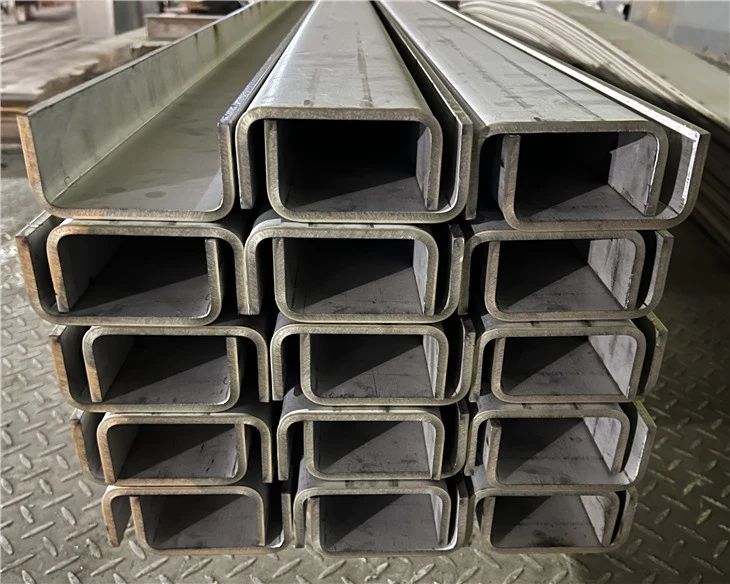
- Cold-Formed Channel (C-Purlins): Thinner sheets of steel are bent at room temperature. These are lighter and used primarily for secondary structures like roof purlins or wall cladding supports.
7. Quality Control and Surface Treatment
In any high-stakes project, the longevity of the steel is as important as its initial strength. Common surface treatments for channel steel include:
- Hot-Dip Galvanizing: Coating the steel in zinc to provide decades of protection against rust in outdoor environments.
- Priming and Painting: Essential for indoor architectural features where aesthetics matter.
- Shot Blasting: Cleaning the surface to ensure maximum adhesion for welding or coatings.
Conclusion
Channel steel is the unsung hero of the industrial world. Its unique combination of structural efficiency, framing capability, and cost-effectiveness makes it an essential material for any project involving metal fabrication or construction. Whether you are building a simple equipment stand or a complex industrial facility, selecting the right grade and orientation of channel steel is the first step toward a successful build.
For those in the manufacturing and construction sectors, partnering with a supplier who understands the technical specifications of ASTM, EN, or GB standards ensures that your project is built to last.